
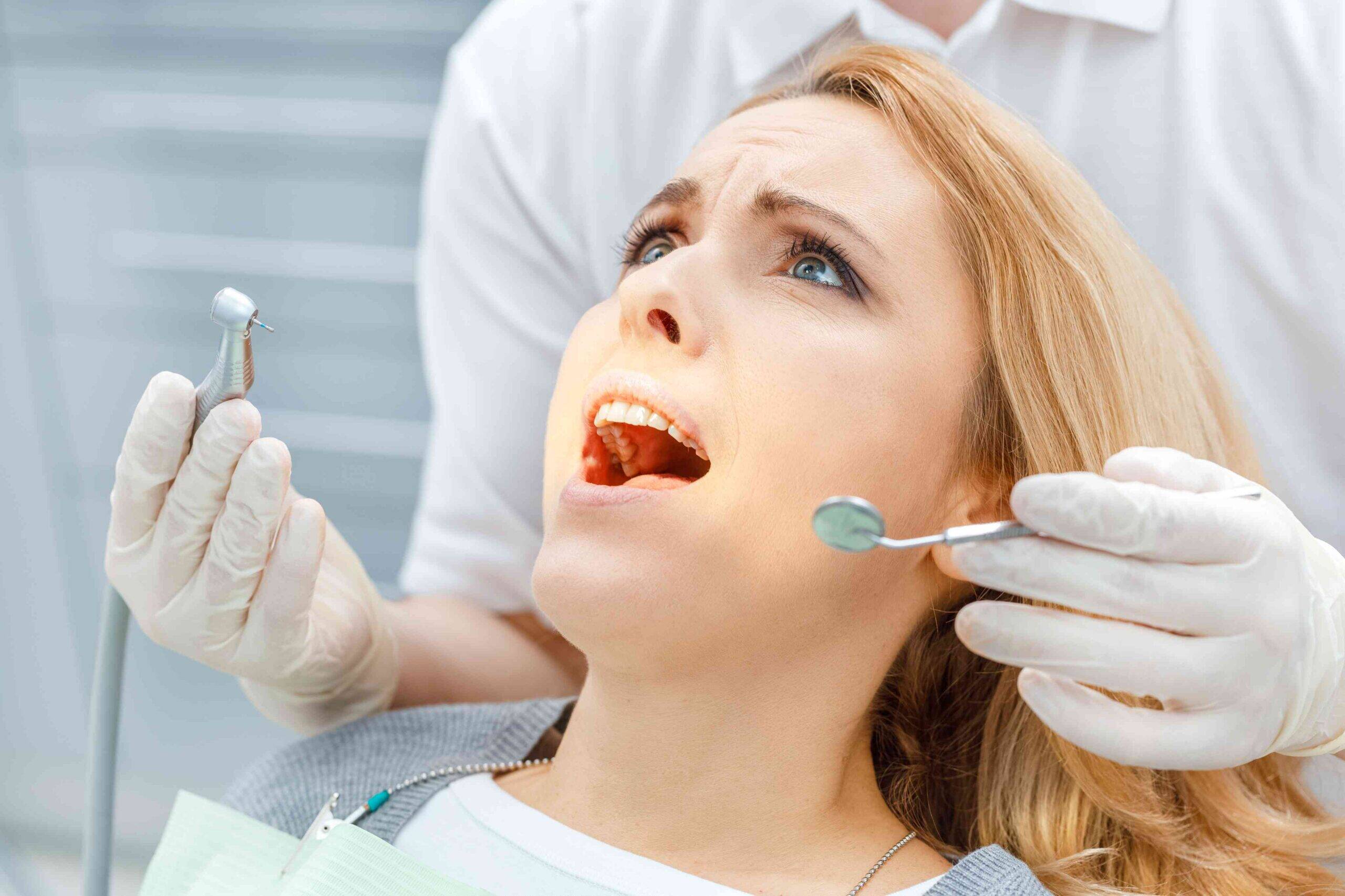
Cosmetic dentistry may help suitable patients improve tooth colour, shape, spacing, symmetry, worn edges, or visible restorations after oral health is reviewed first. Patients in Jacksonville, Rusk, and Bullard should expect the dentist to check gums, enamel, bite pressure, cavities, older dental work, sensitivity, and smile goals before recommending care. Cosmetic choices may include whitening, bonding, veneers, crowns, or other options depending on diagnosis, tooth strength, and long-term maintenance needs.
A smile concern is not always about wanting a dramatic change. Someone in Jacksonville may want one uneven tooth to blend better. A patient in Rusk may feel that old bonding looks darker than nearby enamel. Someone in Bullard may want a brighter smile but also has sensitivity or gum recession that needs to be checked.
Choosing cosmetic dentistry in Rusk should start with an honest look at the teeth and gums. The dentist may need to understand colour, shape, tooth wear, bite pressure, old fillings, gumline position, and oral health before discussing treatment. Some smile concerns can be improved with conservative care. Others may need restorative treatment, alignment planning, or gum care first. A good cosmetic plan should help the smile look better without ignoring how the teeth function.
A Smile Concern Usually Has a Cause
A tooth may look dark because of stain, past injury, an old filling, enamel thinning, or internal colour changes. A chipped edge may come from an accident, grinding, or a bite that places extra force on the front teeth. Uneven spacing may be linked to tooth size, shifting, missing teeth, or gum changes.
For selected patients, cosmetic dentistry can address visible concerns, but the cause matters. Treating the surface without understanding why the issue happened may lead to a result that does not last as well.
The first visit should separate appearance concerns from oral health problems that need care before cosmetic treatment is planned.
Colour Is Only One Part of the Smile
Many patients begin with shade concerns. Coffee, tea, tobacco, dark sauces, age, enamel wear, and older restorations may all affect how teeth look.
Whitening may help some natural tooth stains, but it does not change the colour of crowns, veneers, fillings, or bonding. One dark tooth may need a different discussion than general staining across several teeth.
A brighter smile should still look natural beside nearby teeth and gums. The dentist may explain whether whitening, replacement of old restorations, bonding, veneers, or another option is more suitable.
Shape and Proportion Matter
Teeth can look uneven because of chips, natural size differences, wear, past dental work, or small rotations. A small change in edge shape can sometimes make a smile look more balanced.
A cosmetic dentist may evaluate tooth length, width, spacing, gumline, lip movement, and facial balance before recommending care. This helps avoid making teeth look too large, too flat, or too bright for the person’s smile.
Natural-looking cosmetic care often depends on restraint. The goal is to improve what stands out while keeping the smile believable.
Not Every Smile Concern Needs the Same Service
Patients may ask about cosmetic dentist services because they know what they dislike but are not sure which treatment fits. One person may need whitening. Another may need to bond for a small chip. Someone else may need a crown because the tooth is weak, not just discolored.
Possible options may include whitening, bonding, veneers, enamel reshaping, crowns, or replacing older visible restorations. The right choice depends on enamel, gum health, bite, tooth strength, and how much change is desired.
A clear comparison helps patients avoid choosing a treatment based only on appearance.
Health Comes Before Cosmetic Care
A plan for cosmetic dental Care should include checking cavities, gum inflammation, sensitivity, cracks, bite pressure, and older dental work. Cosmetic treatment may need to wait if the mouth is not stable.
Bleeding gums can affect comfort and final appearance. Cavities should be treated before shade or shape changes. A cracked tooth may need protection rather than a purely cosmetic surface repair.
Healthy teeth and gums give cosmetic treatment a stronger foundation.
Aesthetic Goals Should Be Specific
A patient saying “I want a better smile” may mean many things. They may want whiter teeth, smoother edges, less spacing, more even shape, fewer chips, or a more balanced gumline.
A second conversation with a cosmetic dentist may focus on naming the exact concern. This helps the dentist recommend the smallest reasonable change when possible.
Specific goals also make expectations clearer. A patient who wants subtle improvement may need a different plan than someone asking for a broader smile to change.
Services Should Be Compared by Fit
A second mention of cosmetic dentist services belongs to the decision stage. Patients should understand why one option may fit better than another.
Whitening changes natural tooth shade but not restorations. Bonding may help smaller chips or shape concerns. Veneers may change front surfaces in selected cases. Crowns may be used when strength is also a concern.
A treatment should match the tooth’s condition, not just the desired look.
Cosmetic Care Still Needs Maintenance
A second use of cosmetic dental Care should focus on what happens after treatment. Restorations and whitened teeth still need brushing, flossing, routine visits, and attention to habits.
Coffee, tea, tobacco, dark foods, grinding, nail biting, and chewing ice can affect results. Some restorations may need polishing, repair, replacement, or bite checks over time.
The dentist should explain care needs before treatment starts, so patients understand the long-term responsibility.
What to Expect During the Cosmetic Visit
Before the appointment, patients should think about what they want to change and what they want to keep. Bringing up sensitivity, grinding, gum bleeding, old bonding, previous whitening, missing teeth, and past dental work can help the dentist plan carefully.
During a visit with All Smiles Jacksonville, the dentist may examine teeth, gums, bite, enamel, old restorations, and smile appearance. Photos, X-rays, shade checks, or impressions may be recommended depending on the concern.
After the exam, patients should understand which options may be suitable, and which oral health needs should come first.
Where Cosmetic Dentistry May Help
For suitable patients, cosmetic dentistry may help improve stains, chips, uneven edges, small gaps, worn surfaces, old visible restorations, or tooth shape concerns.
The benefit depends on the health of the teeth and gums, the bite, the materials used, and daily care. A tooth with deep decay, active gum disease, or major structural weakness may need treatment before any appearance-focused care is chosen.
The best cosmetic plan is one that respects both appearance and function.
Where Cosmetic Dentistry Has Limits
A third mention of cosmetic dentistry should include what it cannot do. It cannot make unhealthy gums stable without gum care. It cannot whiten crowns or fillings. It cannot protect a deeply cracked tooth if the structure is no longer sound.
Some patients may need orthodontic treatment for alignment, restorative care for damaged teeth, or periodontal care for gum concerns before cosmetic treatment is appropriate.
Clear limits protect patients from unrealistic expectations and help them choose care that makes sense.
Benefits of a Thoughtful Smile Plan
A well-planned smile update may help selected patients feel more comfortable with tooth colour, shape, spacing, or visible repairs. It may also help patients replace old dental work that no longer blends well.
The most useful plan explains what can be changed, what should be protected, and how the teeth should be maintained. It should also identify when a conservative option may be enough.
Cosmetic dental decisions work best when they are based on diagnosis, not trends.
Local Patient Review
“I wanted my smile to look brighter but did not realize old fillings and sensitivity could affect the plan. The visit helped me understand my options more clearly.”
Smile Changes Should Still Protect Oral Health
Patients in Jacksonville, Rusk, and Bullard can make more informed decisions when considerations such as tooth colour, shape, gums, bite, and older dental restorations are thoroughly reviewed prior to treatment. All Smiles Jacksonville is equipped to assist patients in understanding which cosmetic enhancements align with their individual needs.
Frequently Asked Questions
Can smile concerns be treated in one way?
No. Tooth colour, chips, spacing, gum shape, and old repairs may each need a different approach.
Does oral health need to be checked first?
Yes. Gums, enamels, cavities, cracks, bite pressure, and older dental work should be reviewed first.
Will whitening change old fillings or crowns?
No. Restorations usually do not lighten the same way natural enamel does.
Can grinding affect appearance-focused treatment?
Yes. Grinding may increase the risk of chips, wear, soreness, or changes in the bite.
What if I only dislike one tooth?
The dentist can check whether the concern is colour, shape, position, damage, or old dental work.
Are brighter teeth always the best choice?
Not always. The shade should fit nearby teeth, gumline, facial features, and the patient’s goals.
How do I maintain results after treatment?
Brush daily, clean between teeth, avoid hard biting habits, and keep regular dental visits.
What should I ask during the visit?
Ask what is causing the concern, what options fit, what limits apply, and how care is maintained.